In cities across India, animals encounter dangers that many people may overlook. Busy streets, environmental hazards, and neglect pose significant threats to animal safety. For many of these animals, a moment of human compassion can be crucial, often initiated by a simple phone call.
People for the Ethical Treatment of Animals (PETA) India operates an emergency hotline that acts as a lifeline for animals in crisis. Each year, this hotline receives over 50,000 calls from concerned citizens reporting animals in need of urgent assistance.
In major cities like Mumbai and Delhi, each call represents an opportunity for rescue teams to step in and protect vulnerable animals. The hotline staff quickly assesses situations and dispatches rescue teams to respond to emergencies at any hour.
The effectiveness of this system mirrors that of emergency services for humans. Responders gather vital information, determine the safest way to assist, and act swiftly to reach the animals in danger. Each call holds significant weight, as it could mean the difference between life and death for an animal.
Complex Rescues Require Skill and Patience
Animal rescues can present unique challenges and often involve intricate situations. Some animals may be injured or trapped in hard-to-reach places, necessitating careful planning and specialized tools.
A memorable rescue involved a mother cat and her kitten found deep inside a ventilation shaft nearly 15 meters underground. The narrow space required a delicate approach, but rescuers successfully brought both animals to safety after methodically lowering equipment into the shaft.
VIDEO: Rescuers Save Injured Dog in Mumbai Gas Station After Road Accident
In another case, a dog injured in a road accident was reported at a gas station in Mumbai. Rescue workers acted quickly, ensuring the dog received immediate veterinary care and the necessary treatment to recover from its injuries.
Veterinary Care Following Rescue
Once rescues are made, many animals require immediate medical attention due to their conditions. Veterinary teams collaborate closely with rescue workers to examine, treat, and provide long-term care for animals in need.
In Delhi, veterinarians operated on a dog named Buri to remove a large benign tumor that had made movement painful. After surgery and a recovery period, Buri could once again live comfortably.
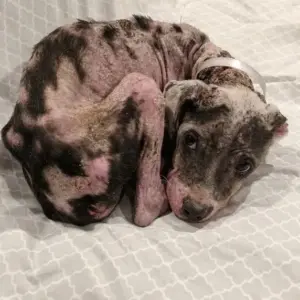
Additionally, mange, a skin disease causing irritation and hair loss, is frequently treated by rescue teams. Nearly 500 animals receive care for mange each year through dedicated programs, which help restore their health and dignity.
Unexpected Situations and Wildlife Protection
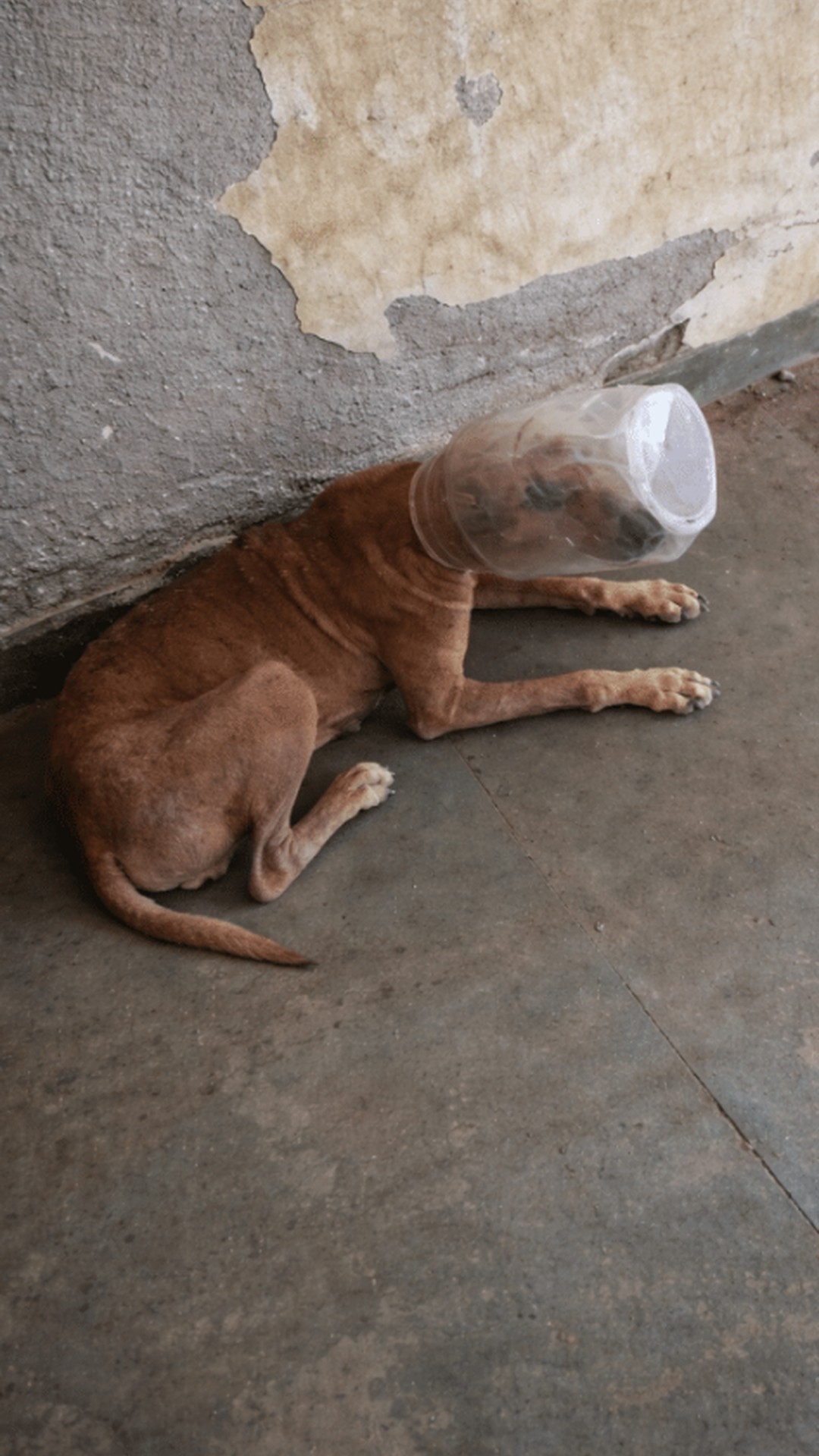
Rescuers often face unexpected scenarios. Kittens, for example, sometimes seek warmth in car engines, endangering themselves when the vehicle is started. Dogs can get their heads trapped in plastic containers while searching for food, necessitating careful removal to ensure their safety.
PETA India also engages in wildlife protection efforts. Rescuers have confiscated illegally kept peacocks, transferring these birds to rehabilitation facilities for appropriate care. The organization addresses other wildlife issues, such as kite strings that can injure birds during festivals, providing veterinary care for affected birds whenever possible.
Adoption Initiatives and Legal Advocacy
Not all rescued animals can return to the streets. In such cases, finding responsible adopters is critical. Adoption programs connect these animals with families willing to provide safe and loving homes. Dogs, ducks, and even turtles have started new lives through these initiatives, allowing them to leave their uncertain pasts behind.
Alongside rescue and adoption, PETA India collaborates with law enforcement to address animal cruelty. Reports of mistreatment are investigated to ensure accountability. A notable legal case involved denying bail to an individual accused of killing a gray langur.
Continuing Efforts During the COVID-19 Pandemic
The COVID-19 pandemic created additional challenges for animal welfare. As lockdown measures restricted movement, many stray animals lost access to food sources. Advocates for animal welfare urged government leaders to classify the feeding and care of animals as essential services.
This advocacy led to a significant decision by the Chief Minister of Maharashtra, allowing volunteers and rescue teams to continue their work even during strict lockdowns. This policy change made a substantial difference for countless animals during that difficult time.
Every day, the work of rescuing animals goes largely unnoticed but profoundly impacts thousands of lives each year. PETA India’s efforts encompass emergency rescues, medical treatment, wildlife protection, adoption programs, and legal advocacy. Each call to the hotline represents an opportunity to turn suffering into safety, showcasing the importance of compassion and prompt action.