In many cities worldwide, air pollution has escalated from a distant concern to an immediate health crisis that affects everyone living there—people and animals alike. Increasingly, families wake up not just wondering what to wear but whether the air they breathe, along with that breathed by their pets, is safe at all. This growing threat poses serious risks, particularly to those without the option to escape the toxic atmosphere, including beloved household animals.
A Golden Retriever’s Unseen Battle
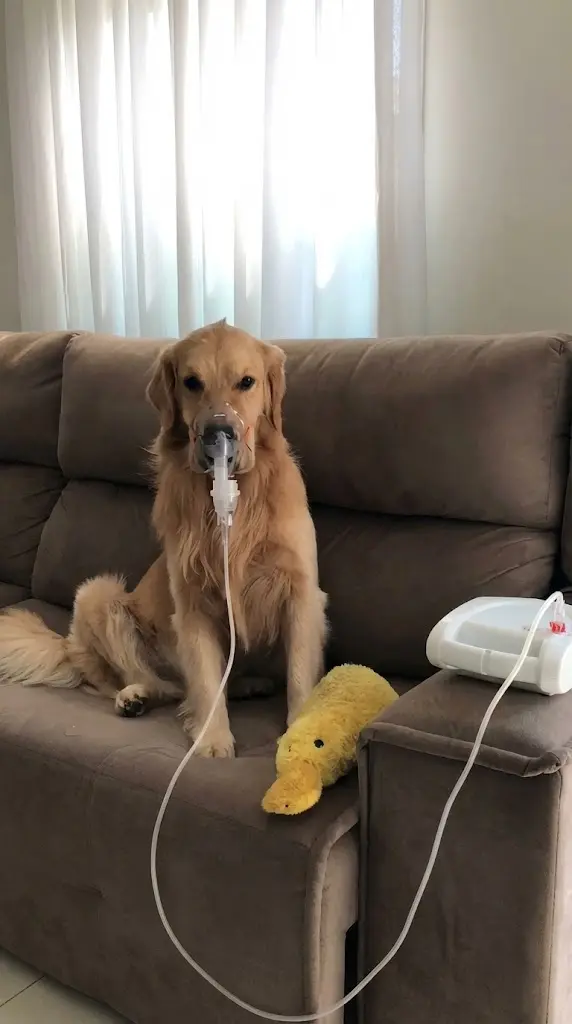
A poignant photograph circulating on social media recently captured widespread attention—not for dramatic effect but because of the quiet strength it portrayed. It showed a Golden Retriever wearing a nebulizer mask, calmly receiving breathing treatments simply to survive a normal day. This image originated from Delhi, a city notorious for its hazardous Air Quality Index levels, where thick, choking smog has become a daily threat to life.
The dog in the photo wasn’t suffering from an inherited condition or old age; the bronchitis that afflicted him was a consequence of prolonged exposure to severely polluted air. The typical high energy and joy of this breed were dampened by the harsh reality of respiratory illness caused by environmental toxins.
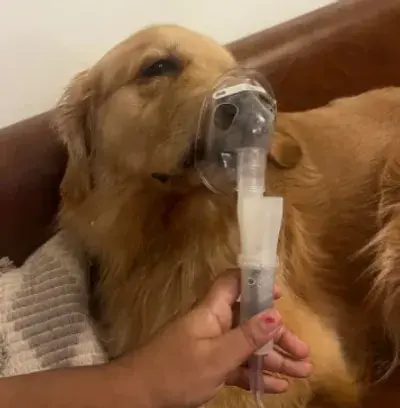
Anyone who has experienced a nebulizer treatment knows how difficult it can be—the noise, the tight mask, and the sensation of mist filling the lungs often provoke discomfort and restlessness. For most dogs, these devices would be frightening or cause resistance. Yet this particular Golden Retriever remained extraordinarily composed, as if instinctively recognizing that the treatment was lifesaving. He sat quietly and cooperatively, without struggle or panic, embodying a patient so well-behaved it brought both warmth and sorrow to those who witnessed it.
Video: Dog Uses Breathing Mask to Relieve Severe Cough
The Household’s Shared Struggle
The owner of the dog later revealed that the pet’s decline was not an isolated case within their home. The polluted air was harming everyone living there—adults, children, and animals alike. Toxic air does not discriminate; when it becomes hazardous, every vulnerable member of a household suffers.
That single photograph has become a haunting symbol for a terror that is increasingly common around the world. Veterinarians in highly polluted regions have reported a rising number of pets suffering from respiratory diseases typically linked with dangerous air conditions. What once were everyday activities, like taking a dog for a walk, have quietly transformed into health hazards. For many pets, breathing treatments are shifting from rare exceptions to regular necessities.
Steps Pet Owners Can Take to Protect Their Animals
While large-scale efforts to improve air quality take time and global commitment, pet owners can take immediate, practical actions to safeguard their pets’ health. Monitoring daily air quality indexes is crucial. When pollution levels spike to dangerous degrees, limiting outdoor activity is essential. Alternatives to outdoor exercise, such as indoor play, training sessions, or interactive puzzle toys, can help keep pets physically and mentally engaged in safer environments.
Investing in HEPA-filter air purifiers can notably enhance the indoor environment, benefiting both pets and their human families. Since pollutants often cling to fur and paws, wiping animals down after spending time outside reduces the risk of toxic substances being ingested or absorbed. These steps may not eliminate the problem entirely but can significantly reduce the health risks while broader solutions are pursued.
A Powerful Reminder of Our Responsibility
The story of this Golden Retriever is about far more than a battle with illness. It is also a story of trust—trust that animals place deeply and quietly in the humans who care for them. This dog had no understanding of pollution, smog, or health reports, but he submitted peacefully to treatment, clearly sensing it was necessary for his survival.
Animals cannot vocalize the struggle they endure, but through this dog’s experience, a profound message comes through: When they find it hard to breathe, it is not just a problem for them—it is a shared crisis that involves all of us. Their suffering is an urgent call to action for humanity to recognize and address the dangerous consequences of air pollution.