Suffering often hides quietly in plain sight, waiting for someone to notice and offer help. This was the case for Benki, a small dog standing motionless on a quiet street in Lara, Venezuela. Passersby moved past him without a second glance as if he were just part of the scenery. Yet, Benki was far from calm—he was frozen, overwhelmed by a world he could no longer fully perceive.
Recognizing a Silent Cry for Help
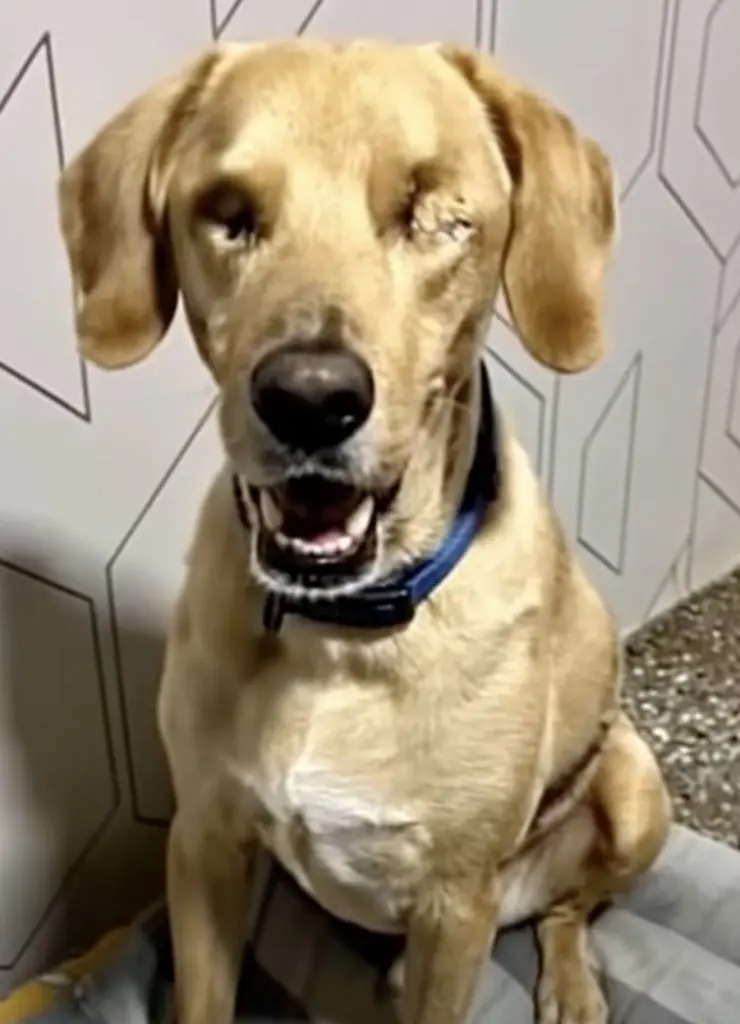
When rescuers approached Benki, they noticed something was seriously wrong. Unlike most animals who respond to voices or movements, Benki did not turn his head or react. It soon became clear that he was blind. Compounding his difficulties, one of his hind legs was missing, leaving him unsteady on his feet. His neglected coat attested to many years of hardship and abandonment. Despite all of this, Benki showed no aggression, only soft, uncertain sounds that seemed to reach for familiarity amid confusion.
At a veterinary clinic, the full extent of Benki’s difficult past became apparent. He bore the physical signs of having been a breeding dog, cared for only as long as he served that purpose. Although many aspects of his life had been damaged, his heart and lungs remained strong, giving hope for physical recovery. Yet the bigger challenge lay in helping him adjust to the overwhelming stimuli of a world no longer visible to him. Everyday sounds startled him, and unexpected touches caused tension, making the environment deeply unsettling.
Patience, Presence, and the Promise of Safety
Rather than rushing Benki’s recovery, his caregivers sat quietly beside him and spoke in calm, reassuring voices. Repeating the same words and tones helped to replace fear with safety. Importantly, no one forced Benki to move or pressured him to progress. Instead, he was gently invited to respond in his own time. Over the first ten days, small but significant changes began to emerge. When called by name, Benki no longer panicked; he paused, listened, and waited for guidance. These moments marked the beginning of renewed trust and hope.
Video: Blind Dog with One Leg Gradually Learns to Trust Again
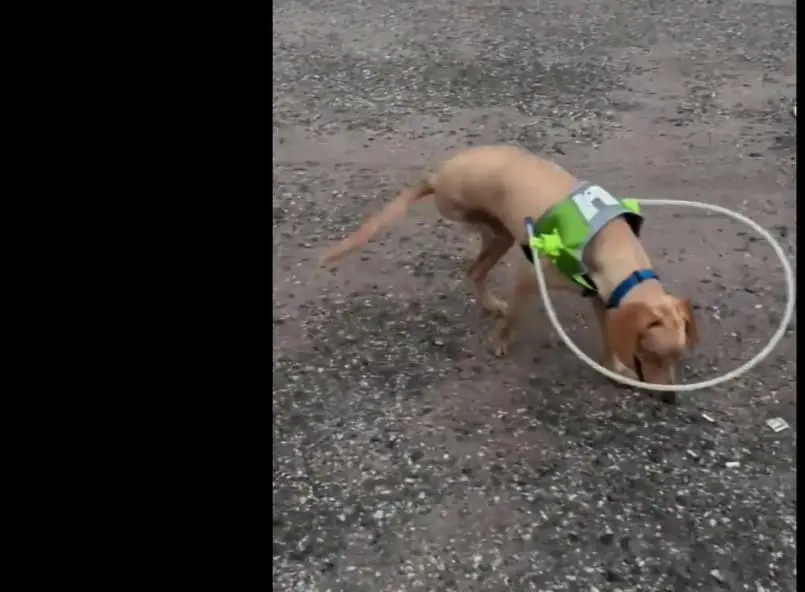
With time, Benki’s confidence grew gradually. Caregivers guided him beyond the limited area he had come to know through scent and sound. While fear still lingered, it no longer controlled his every step. To support his mobility, rescuers introduced specialized protective eyewear designed for visually impaired dogs. The impact was immediate and profound—obstacles became less frightening, exploration more peaceful, and moving forward felt safer than before.
Renewing Strength and Embracing a New Identity
Recovery brought its share of challenges. Benki’s reduced movement initially caused weight gain, a problem his caregivers addressed with gentle exercise routines including stair climbing, guided walks, and playful activities tailored to his needs. Gradually, his physical strength improved, but the most remarkable transformation was in his spirit.

Despite all he had endured, Benki did not retreat from the world. He welcomed human touch and found comfort in familiar voices. The dog who once expressed confusion through plaintive cries now responded with quiet affection and patience. Healing did not erase his painful past but revealed his true character: gentle, resilient, and quietly brave.
Today, Benki is ready to find a forever home that understands and embraces his unique needs. His connection with people is rooted in gratitude and trust, not dependence or fear. His story is no longer defined by loss; instead, it shines as a testament to what endured—a heart capable of trusting again and a spirit eager to hope. Benki’s journey reminds us that healing is often not a return to what was, but a courageous step toward something new, where kindness replaces fear, and safety becomes the foundation of a better life.